Coping With Anxiety: Effective Strategies for Regaining Control and Inner Calm

Anxiety is a natural response to stress, uncertainty, or perceived danger. While occasional anxiety is a normal part of life, persistent or overwhelming anxiety can interfere with daily functioning, relationships, and overall well-being. Learning effective ways of coping with anxiety is essential for maintaining mental balance and long-term health. This SEO-optimized guide explores proven strategies, practical techniques, and lifestyle approaches to help manage anxiety more effectively.

Understanding Anxiety and Its Impact

Anxiety is more than just feeling worried or nervous. It involves a complex interaction between the brain, nervous system, hormones, and thought patterns. When anxiety becomes chronic, the body remains in a prolonged state of alertness, which can lead to physical and emotional exhaustion.

Common symptoms include:

  • Excessive worry or fear

  • Restlessness and tension

  • Rapid heartbeat or shallow breathing

  • Difficulty concentrating

  • Sleep disturbances

Understanding how anxiety manifests is the first step toward effective coping.

Why Coping With Anxiety Requires a Holistic Approach

No single method works for everyone. Effective anxiety management often combines mental, physical, and behavioral strategies. Coping with anxiety is most successful when both the symptoms and the underlying causes are addressed.

Key factors influencing anxiety management include:

  • Stress levels and daily routines

  • Sleep quality

  • Thought patterns and emotional regulation

  • Physical health and nutrition

  • Social support systems

A holistic approach helps build long-term resilience rather than short-term relief.

Practical Techniques for Coping With Anxiety

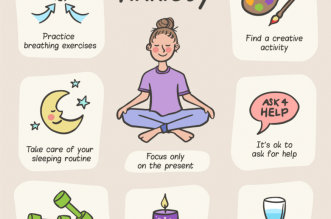
1. Breathing and Relaxation Exercises

Controlled breathing helps calm the nervous system and reduces the body’s stress response.

Effective techniques include:

  • Deep diaphragmatic breathing

  • Box breathing (inhale, hold, exhale, hold)

  • Progressive muscle relaxation

Practicing these exercises daily can significantly improve anxiety regulation.

2. Mindfulness and Present-Moment Awareness

Mindfulness focuses attention on the present moment rather than future worries or past events. This practice helps reduce rumination, a common driver of anxiety.

Benefits of mindfulness include:

  • Improved emotional awareness

  • Reduced stress response

  • Greater mental clarity

  • Enhanced sense of control

Even short daily mindfulness sessions can make a noticeable difference when coping with anxiety.

3. Cognitive Strategies to Reduce Anxious Thoughts

Anxiety often stems from negative or catastrophic thinking patterns. Learning to challenge these thoughts is a powerful coping tool.

Helpful cognitive techniques:

  • Identifying irrational fears

  • Reframing negative thoughts

  • Practicing self-compassion

  • Focusing on evidence rather than assumptions

Over time, these strategies reduce the intensity and frequency of anxious thoughts.

Lifestyle Changes That Support Anxiety Management

Physical Activity and Anxiety Relief

Regular physical activity releases endorphins and reduces stress hormones. Exercise is one of the most effective natural methods for coping with anxiety.

Recommended activities include:

  • Walking or jogging

  • Yoga or stretching

  • Strength training

  • Low-impact cardio

Consistency matters more than intensity when it comes to mental health benefits.

Sleep and Its Role in Anxiety Control

Poor sleep and anxiety are closely connected. Inadequate rest increases emotional sensitivity and reduces stress tolerance.

Tips for better sleep:

  • Maintain a consistent sleep schedule

  • Avoid screens before bedtime

  • Create a calm nighttime routine

  • Limit caffeine intake

Improved sleep quality often leads to noticeable reductions in anxiety symptoms.

Nutrition and Mental Well-Being

Diet plays a subtle but important role in emotional regulation. Blood sugar fluctuations, dehydration, and nutrient deficiencies can worsen anxiety.

Supportive dietary habits include:

  • Eating balanced meals regularly

  • Staying hydrated

  • Limiting highly processed foods

  • Reducing excessive caffeine and sugar

Nutritional stability supports overall mental resilience.

Social Support and Coping With Anxiety

Human connection is a powerful buffer against anxiety. Sharing concerns with trusted individuals reduces emotional burden and provides perspective.

Effective forms of support:

  • Open conversations with friends or family

  • Support groups

  • Professional counseling or therapy

Seeking help is not a weakness—it is an essential coping strategy.

When to Seek Professional Help

While self-help strategies are effective for many people, professional support may be necessary when anxiety becomes overwhelming or persistent.

Signs to seek professional guidance include:

  • Anxiety interfering with daily life

  • Panic attacks

  • Avoidance behaviors

  • Physical symptoms without medical cause

Early intervention often leads to better long-term outcomes.

Building Long-Term Resilience Against Anxiety

Coping with anxiety is not about eliminating stress entirely but about strengthening the ability to respond calmly and effectively. Developing resilience takes time and consistent effort.

Long-term strategies include:

  • Establishing healthy routines

  • Practicing emotional regulation skills

  • Setting realistic expectations

  • Focusing on personal growth rather than perfection

Resilience allows anxiety to become manageable rather than controlling.

Conclusion: Coping With Anxiety Is a Learnable Skill

Anxiety is a common and manageable condition. With the right tools, habits, and support systems, it is possible to reduce its impact and regain a sense of balance. Coping with anxiety is a skill that improves with practice, patience, and self-awareness.

By combining practical techniques, lifestyle changes, and emotional support, individuals can move toward a calmer, more confident way of living.

Leave a Reply

Your email address will not be published. Required fields are marked *